Loading…
Where a bill is worked on, before anyone votes on it
Committees
24 committees of the First Parliament. A committee takes charge of one subject — health, public works, the budget — and does the detailed work on every measure under it; most of a bill’s life happens here, not on the floor. 17 of these 24 are permanent, and together they hold 753 referred measures and 216 reports.
Subject committees · 17
The 17 the Rules name. Between them they cover what the Parliament can make laws on, so almost every bill lands in one of them.
Committee on Finance, Budget, and Management
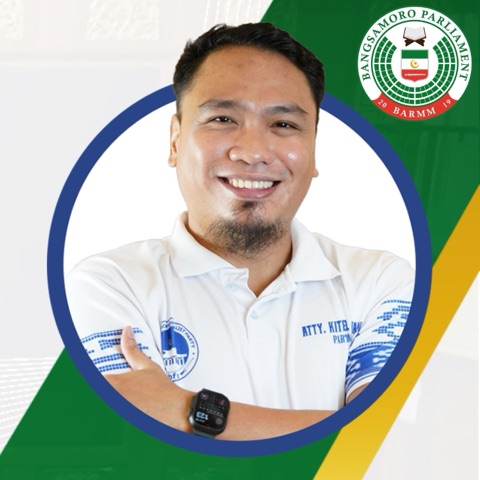 Chaired by Kitem D. Kadatuan Jr.
The budget: how the Bangsamoro Government’s money is set aside and spent, including its debts, claims against it and revenue shared with local governments. It also scrutinises the Parliament’s own budget.
Referred here, for instance
In the Rules’ wordsHide the Rules’ words
190 referred40 reports
Committee on Trade, Investment, and Tourism
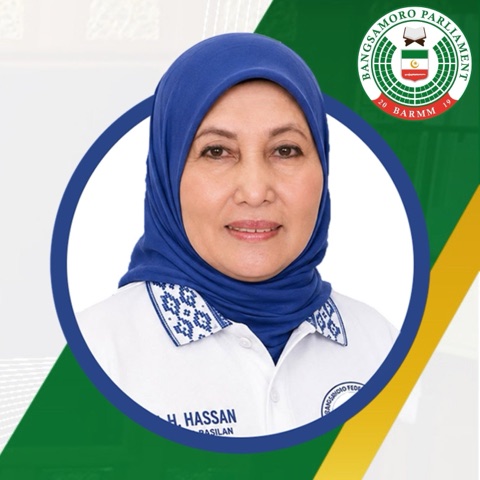 Chaired by Rima Hasim Hassan
Business and the economy: industry and investment, domestic and foreign trade, trademarks and standards, consumer protection and prices, and tourism.
Referred here, for instance
In the Rules’ wordsHide the Rules’ words
32 referred11 reports
Committee on Agriculture, Fisheries, and Agrarian Reform
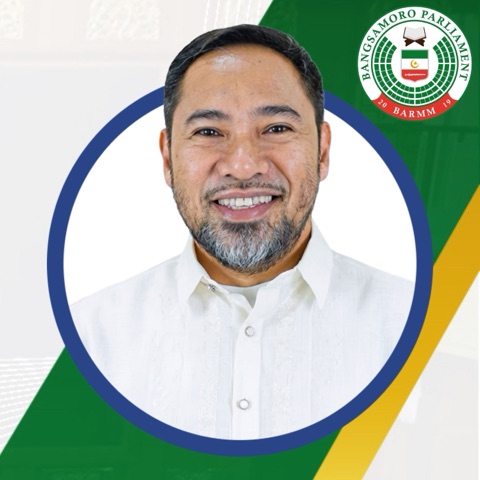 Chaired by Ma-Arouph B. Candao
Farming, fishing and food production, from irrigation and livestock to farm credit and insurance, and carrying out agrarian reform in the region.
Referred here, for instance
In the Rules’ wordsHide the Rules’ words
19 referred1 report
Committee on Labor and Employment
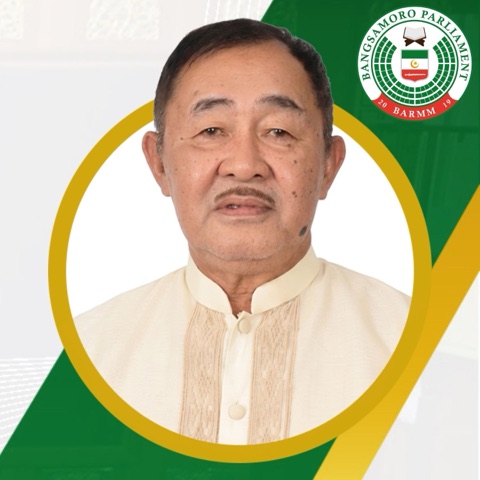 Chaired by Rashdi T. Adiong
Workers and jobs: workers’ rights and welfare, labour standards, peace between employers and workers, and training and placement.
Referred here, for instance
In the Rules’ wordsHide the Rules’ words
8 referred1 report
Committee on Basic, Higher, and Technical Education
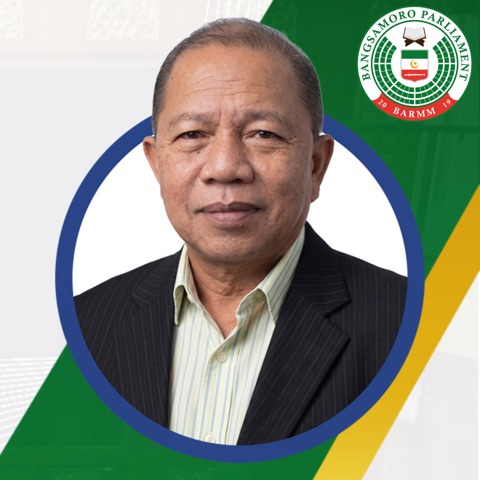 Chaired by Tomanda D. Antok
Schools, colleges, universities and madaris, the welfare of teachers and students, and alternative, non-formal and technical learning.
Referred here, for instance
In the Rules’ wordsHide the Rules’ words
72 referred17 reports
Committee on Social Services and Development
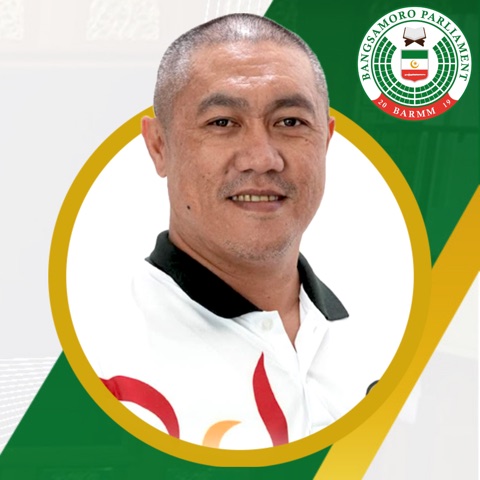 Chaired by Hosni B. Macapodi
Basic social services and the welfare of people and communities, including persons with disabilities and special needs.
Referred here, for instance
In the Rules’ wordsHide the Rules’ words
26 referred6 reports
Committee on Indigenous Peoples’ Affairs
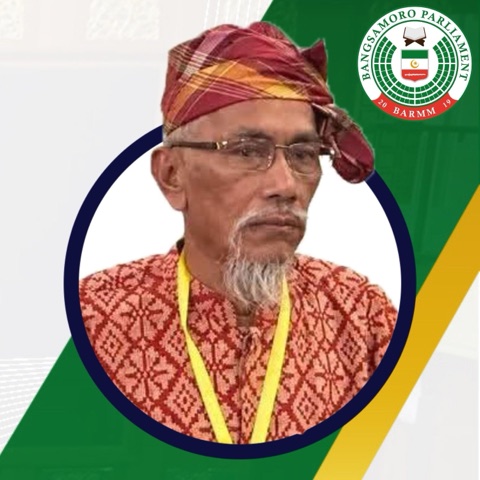 Chaired by Leticio L. Datuwata
Putting into effect the rights the Organic Law gives indigenous peoples, and the development of their communities.
Referred here, for instance
In the Rules’ wordsHide the Rules’ words
9 referred4 reports
Committee on Public Order and Safety
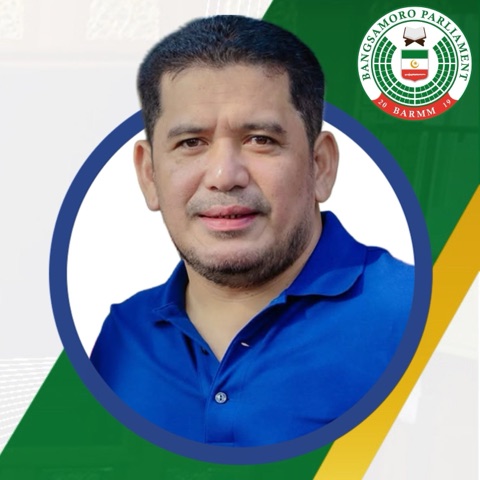 Chaired by Rafsanjani Pendatun Ali
Policing, fire and jail services, and crime — illegal gambling, organised crime, terrorism, illegal drugs — along with firearms, firecrackers, private security agencies, and rescue and emergency medical services.
Referred here, for instance
In the Rules’ wordsHide the Rules’ words
30 referred18 reports
Committee on Health
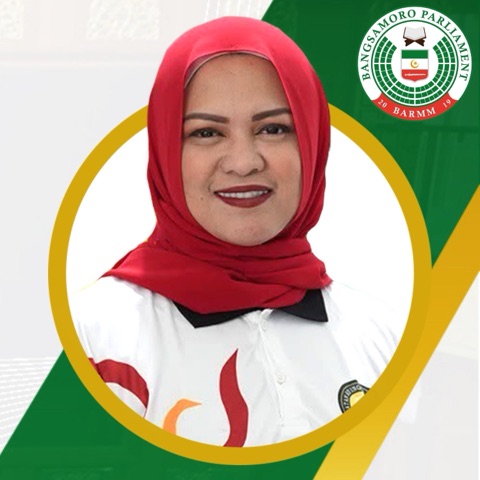 Chaired by Princess Pala Amera Lanto-Gandamra
Public health and hygiene, hospitals and medical services, and quarantine.
Referred here, for instance
In the Rules’ wordsHide the Rules’ words
92 referred22 reports
Committee on Human Settlements and Development
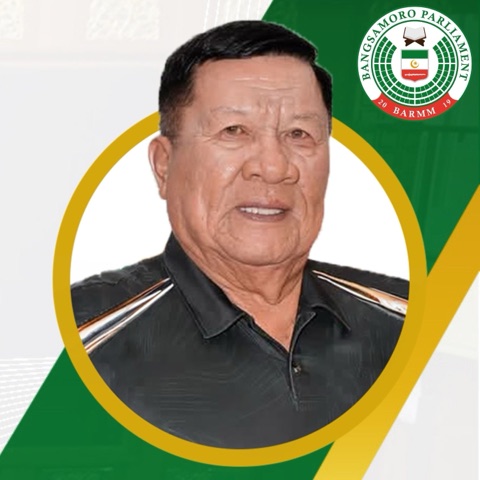 Chaired by Arimao S. Asum
Planning for towns and the countryside, housing, and resettlement.
Referred here, for instance
In the Rules’ wordsHide the Rules’ words
8 referred3 reports
Committee on Transportation and Communications
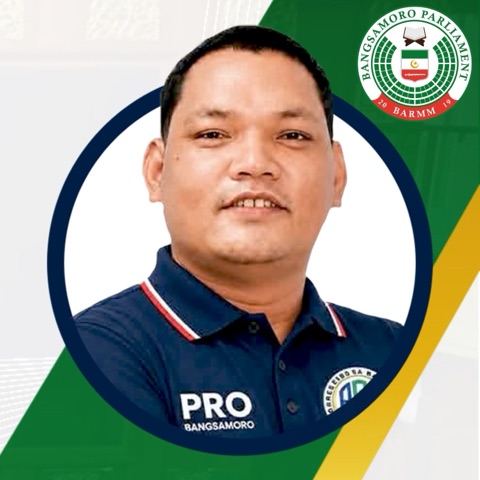 Chaired by Hadjimar S. Matba
Land, sea and air transport, with ports, airports and lighthouses, and the post, radio, television, telephone and other communications.
Referred here, for instance
In the Rules’ wordsHide the Rules’ words
31 referred10 reports
Committee on Science and Technology
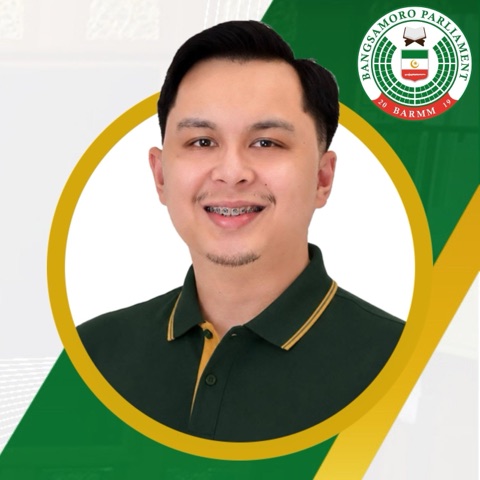 Chaired by Abdul Rauf Abedin Adiong
Research and development in science and technology, and climate and weather forecasting.
Referred here, for instance
In the Rules’ wordsHide the Rules’ words
11 referred1 report
Committee on Public Works
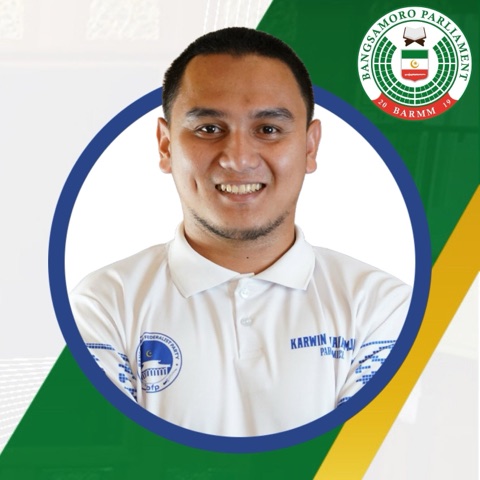 Chaired by Karwin Hadjula Hamjani
Building, maintaining and repairing public works: roads, bridges, harbours, parks, drainage, flood control and water systems.
Referred here, for instance
In the Rules’ wordsHide the Rules’ words
21 referred7 reports
Committee on Local Government
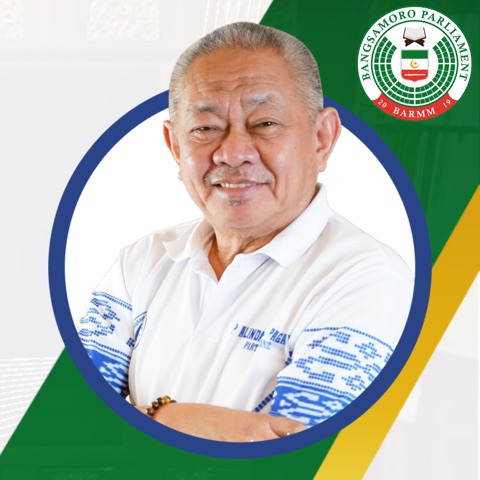 Chaired by Alindatu K. Pagayao
The region’s provinces, cities, municipalities and barangays, including their revenues and spending.
Referred here, for instance
In the Rules’ wordsHide the Rules’ words
88 referred22 reports
Committee on Environment, Natural Resources, and Energy
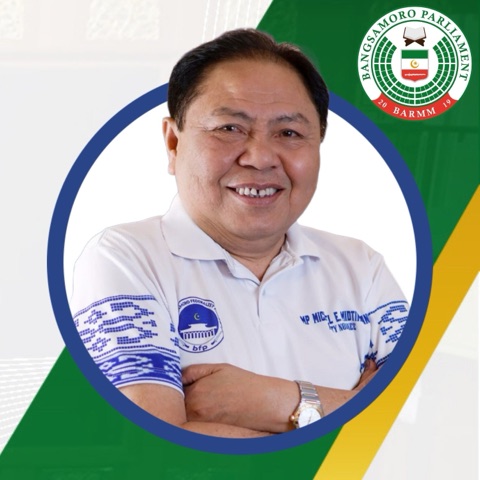 Chaired by Michael E. Midtimbang
Land, forests, mines, wildlife and marine resources, their use and protection, pollution control, and the region’s power and energy, renewables included.
Referred here, for instance
In the Rules’ wordsHide the Rules’ words
42 referred10 reports
Committee on Bangsamoro Justice System
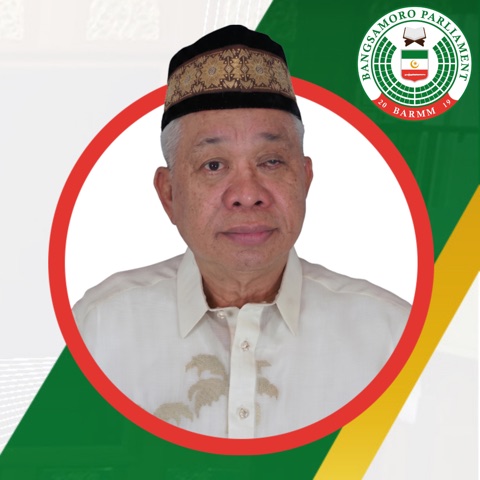 Chaired by Jose I. Lorena
Muslim personal, family and property law under Presidential Decree No. 1083, and the other civil and criminal matters the Organic Law lets the Parliament legislate on.
Referred here, for instance
In the Rules’ wordsHide the Rules’ words
31 referred18 reports
Committee on Women, Youth, Children, and Persons with Disabilities
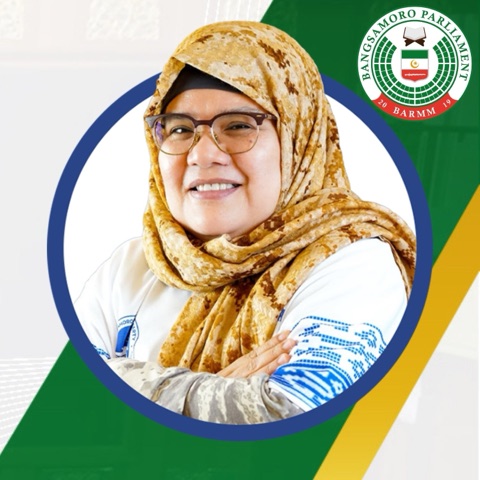 Chaired by Suraija Reina Sanbihi Hataman
The representation, participation, welfare and development of women, youth, children and persons with disabilities.
Referred here, for instance
In the Rules’ wordsHide the Rules’ words
23 referred4 reports
Committees that run the Parliament · 7
Its rules, its accounts, its ethics, its revenue measures, investigations of officials, and the one standing committee created for Marawi.
Committee on Rules
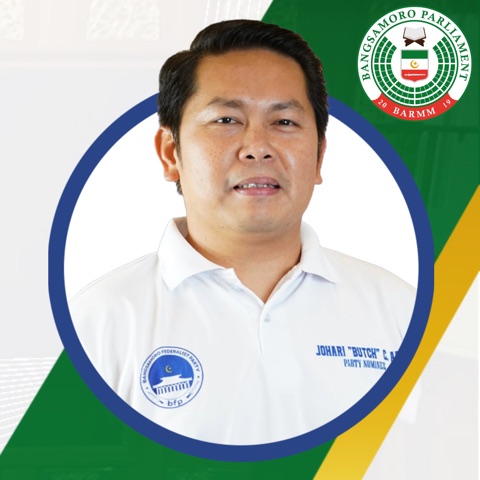 Chaired by Johari Compania Abu
How the Parliament itself runs: its procedures, the calendar and order of its business, and the setting up of its other committees.
Referred here, for instance
In the Rules’ wordsHide the Rules’ words
18 referred43 reports
Committee on Amendments
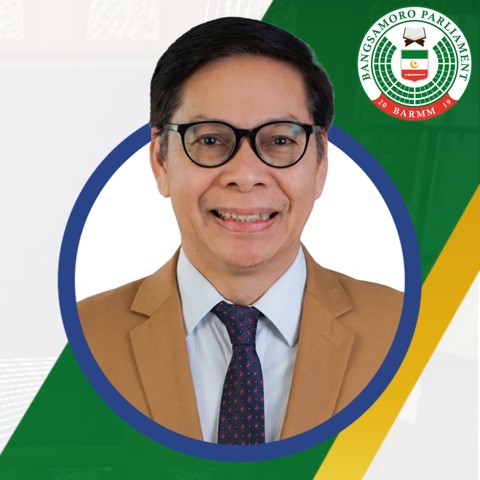 Chaired by Naguib G. Sinarimbo
Proposals to amend or revise the Bangsamoro Organic Law or the Parliament’s own Rules, and the gathering of laws into codes.
Referred here, for instance
In the Rules’ wordsHide the Rules’ words
2 referred8 reports
Committee on Accounts
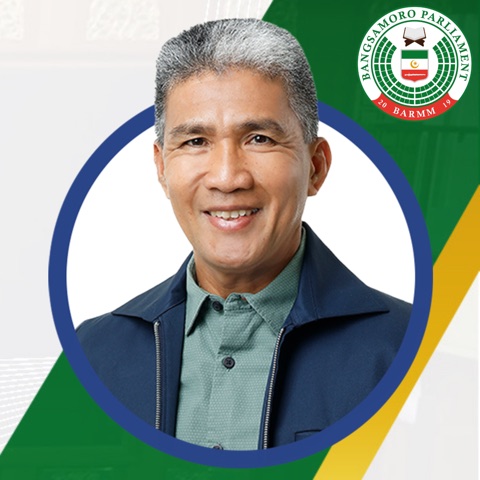 Chaired by Ibrahim P. Ibay
Where the Parliament’s and the ministries’ money comes from and where it goes: their income, their spending plans, and the audit of both.
In the Rules’ wordsHide the Rules’ words
Blue Ribbon Committee
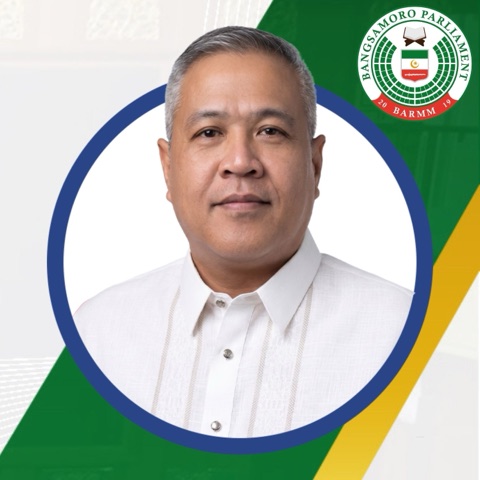 Chaired by Zulfikar-Ali S. Bayam
Investigates officials and employees of the Bangsamoro Government and its local governments accused of doing wrong in office, doing their job wrongly, or failing to do it.
In the Rules’ wordsHide the Rules’ words
3 reports
Committee on Ethics and Privileges
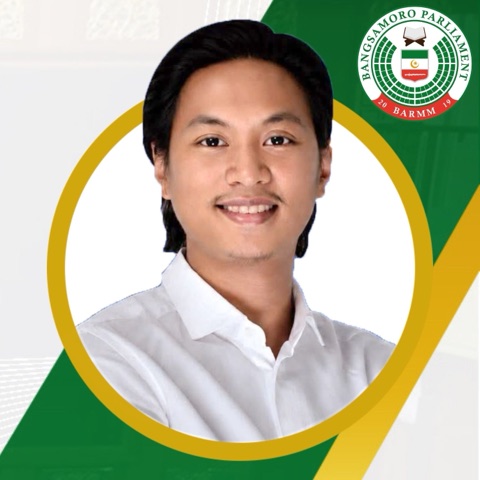 Chaired by Ali-Usman S. Mindalano
The conduct, rights and privileges of the Parliament’s own Members, and complaints filed against them.
In the Rules’ wordsHide the Rules’ words
2 reports
Committee on Ways and Means
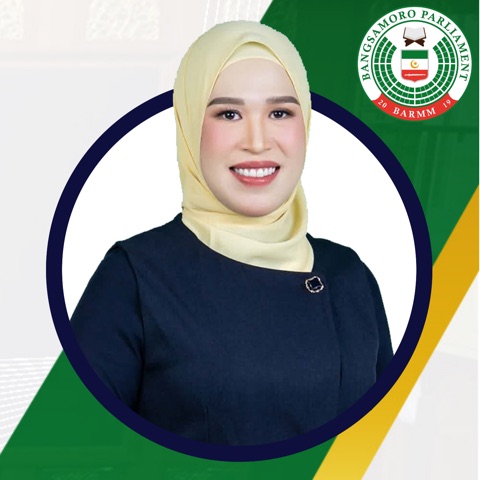 Chaired by Sittie Aisah Lucman Pansar
How the Bangsamoro Government raises money: taxes and fees, loans and other borrowing, and every other source of revenue.
In the Rules’ wordsHide the Rules’ words
1 report
Special Committee on the Marawi Recovery, Reconstruction, and Rehabilitation
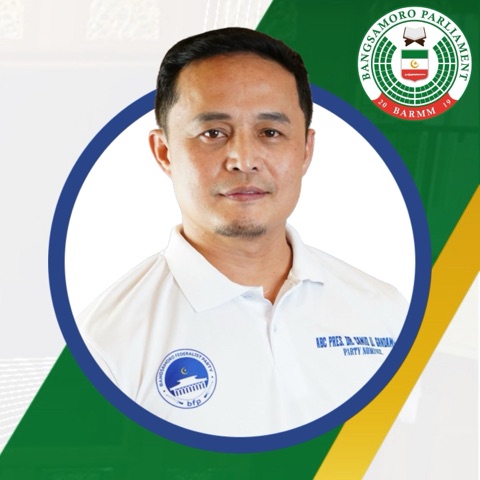 Chaired by Camid Usman Gandamra Jr.
Gathers information on what has been planned and done to recover, rebuild and rehabilitate Marawi City.
In the Rules’ wordsHide the Rules’ words
What a committee does
Six jobs, on one subject each.
A committee is a group of Members of the Parliament organised around one area of concern, sitting around one table with whoever it has called to be heard. Every committee does the same six things within its subject.
Examines
the bills and resolutions referred to it.
Discusses
the issues that fall within its subject.
Hears
experts, stakeholders, and the public.
Recommends
what the Parliament should do with each measure.
Reports
in writing on every measure it considers.
Oversees
the laws already passed, to see they are carried out.
Who sits on a committee
A chair, vice-chairs, members, and the leadership.
Chairperson
One for each committee. Leads it and presides over its meetings and hearings.
Vice-chairpersons
Stand in for the chair, and share in leading the committee’s work.
Members
Study each measure and vote on the committee’s report, signing it in favour, with reservation, or against.
Ex-officio members
Seated by the office they hold rather than chosen for the subject: the Speaker, Deputy Speakers and floor leaders.
What happens to a measure
From referral to the report, and after it.
01. It gets referred
A measure is read into the record on first reading and sent to the committee whose subject it falls under. What the measure is about decides which committee gets it.
02. The committee works on it
Members study the measure and debate its provisions. They can call in experts, consult the people it affects, hold public hearings, and go and look for themselves. They can propose changes to it.
03. The committee decides
It may adopt the measure, amend it, rewrite it, or reject it outright. A measure the committee never acts on simply stops here, which is what happens to most of them.
04. It files a report
Every measure the committee considers gets a written report: what was said, what the experts told them, what was changed and why. Members who voted sign it — in favour, with reservation, or against.
05. And it keeps watching
The work does not end when a law passes. The committee also checks whether the ministries are carrying it out, and carrying it out the way Parliament meant.
You can go
Committee hearings and consultations are open to the general public. A committee holds them to gather facts and hear views on a measure before it reports back, which makes this the stage where somebody outside the Parliament can still change what a law says. Schedules are announced by the Parliament rather than here.